
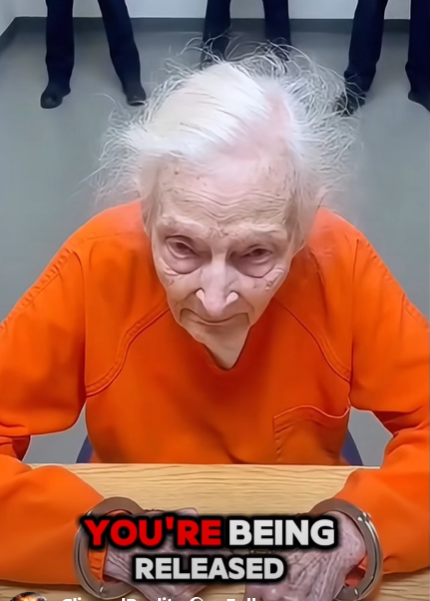
In a plain interview room, an elderly woman sits in an orange prison uniform, her hands resting on the table, cuffs still around her wrists. The words hit the air like something unreal: you’re being released. She doesn’t celebrate. She simply looks up—quiet, tired, and unsure what “free” is supposed to feel like now.
A Lifetime Measured in Locked Doors
Years inside can turn time into routine: count, meal, lights, sleep, repeat. For her, the days didn’t just pass—they piled up. The outside world kept moving, changing names, faces, streets, and rules, while she remained in the same gray rooms with the same metal sounds.
Freedom With Nowhere to Go
Release usually comes with a plan: an address, a ride, a person waiting. She has none of that. No house key in her pocket. No familiar doorway. No bed that belongs to her. Just a thin envelope of paperwork and the heavy question nobody can answer for her: Where do you go when you have no “home” left?
The Devastating Truth Waiting Outside
The hardest part isn’t the gate opening—it’s what comes after. She learns the truth in fragments: the people she once knew are gone. Some passed away. Others disappeared into their own lives long ago. The world she remembered didn’t survive the years the way she did.
A New World That Doesn’t Recognize Her
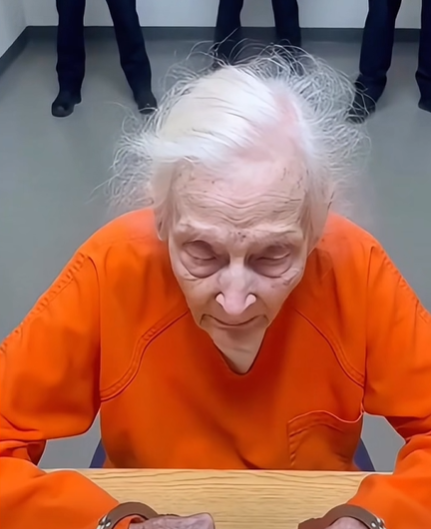
Even small things feel impossible now—phones that don’t have buttons, streets that look unfamiliar, conversations that move too fast. She’s free, but freedom feels like being dropped into a place that doesn’t speak her language anymore. And with no home base, every step becomes a decision made without a safety net.
What Happens Next
Her release isn’t an ending. It’s the start of something fragile: finding shelter, navigating services, learning how to exist outside schedules and cells, and rebuilding a life from nearly nothing. The door may be open—but the real struggle is whether the world will make room for her on the other side.
A Quiet Kind of Survival
She sits there, still in orange, still cuffed, hearing the word “released” as if it belongs to someone else. Because after a long time in prison, freedom isn’t always a celebration.