

A pair of identical twins have been awarded $1.5 million after a jury found they were wrongly accused of cheating on a major academic exam — a case that sparked national debate about fairness, identity, and institutional accountability.
The ruling marks the end of a long legal battle that the sisters say deeply affected both their academic futures and personal reputations.
Accusations That Changed Everything
According to court documents, the twins were accused of academic dishonesty after administrators allegedly questioned the similarity of their exam answers.
Because the sisters are identical and reportedly performed at similar academic levels, school officials claimed the resemblance extended beyond appearance — suggesting possible collaboration or misconduct.
The twins denied the accusations from the start.
Their legal team argued that identical genetics and similar study habits could reasonably result in comparable test performance — especially in high-achieving students.
A Fight to Clear Their Names
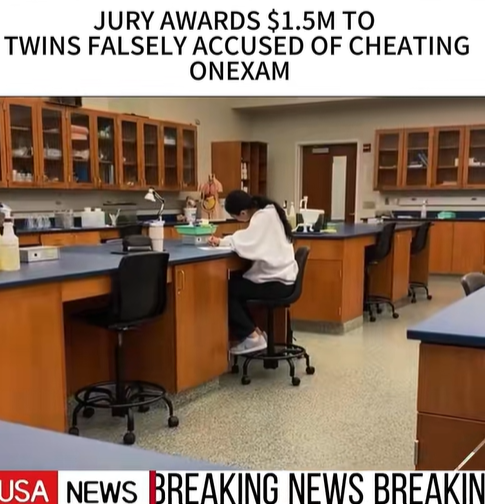
After facing disciplinary consequences, the sisters and their family decided to take legal action.
They maintained that the accusations were not only unfounded but also damaging to their academic and professional aspirations.
During the trial, attorneys presented evidence aimed at showing that the allegations lacked sufficient proof and that the school’s investigation was flawed.
The Jury’s Decision
After reviewing the case, a jury ruled in favor of the twins, awarding them $1.5 million in damages.
Legal experts say the verdict reflects growing scrutiny around how academic institutions handle misconduct allegations — particularly when reputations and long-term career opportunities are at stake.
The compensation is intended to address both financial impact and emotional distress caused by the accusations.
Moving Forward

Now cleared of wrongdoing, the sisters say they are focused on rebuilding and moving forward.
In interviews, they expressed relief that their names have been restored and emphasized their commitment to their future goals — including pursuing careers in medicine.
Supporters say the case highlights the importance of due process and fair treatment in academic settings.
A Broader Conversation About Fairness in Education
The case has reignited discussion about how schools evaluate academic integrity concerns — especially when dealing with identical twins or students with remarkably similar performance patterns.
Education advocates stress that accusations must be backed by clear evidence and handled with transparency.
For the twins at the center of the case, the verdict represents more than financial compensation — it marks the end of a painful chapter and the beginning of a fresh start.