
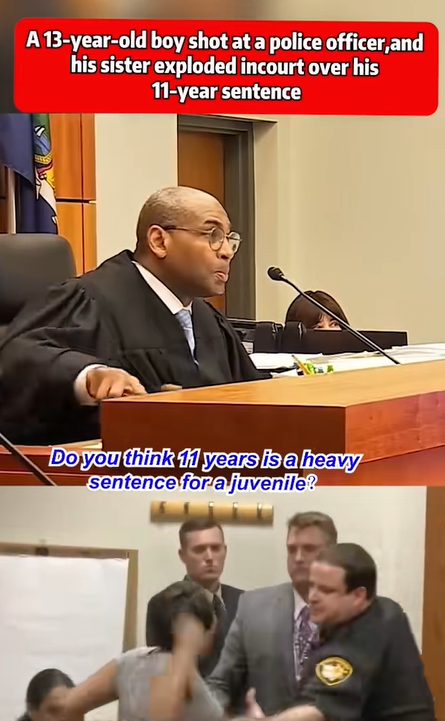
In a shocking case, a 13-year-old boy was charged after shooting at a police officer.
The severity of his actions placed him directly in the justice system, sparking heated debates about how juveniles should be tried and sentenced.
The Courtroom Decision 👨⚖️
During the trial, the judge sentenced the boy to 11 years in prison.
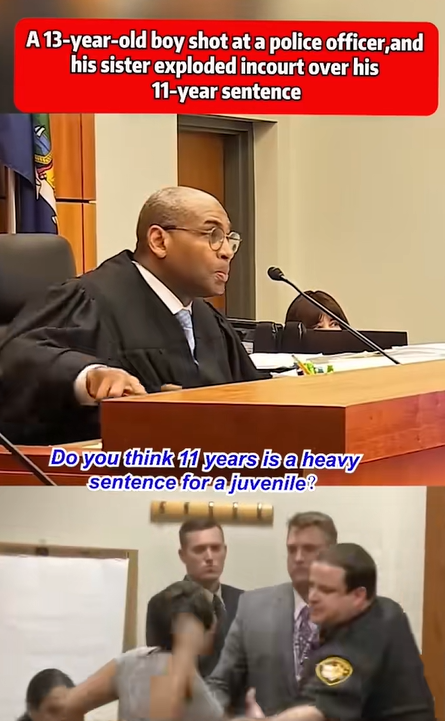
The ruling was met with strong emotions, as many questioned whether such a lengthy sentence was fair for someone so young.
Family’s Emotional Reaction 💔
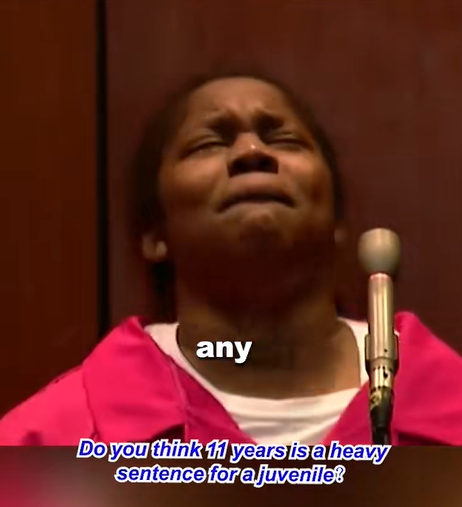
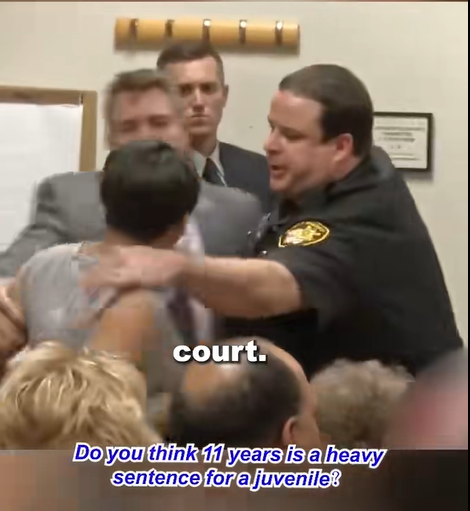
The boy’s sister, overwhelmed by the verdict, erupted in court.
Her cries and pleas reflected the family’s devastation, showing the human side of a case that dealt not only with crime and punishment but also with childhood and second chances.
The Boy’s Response 😢
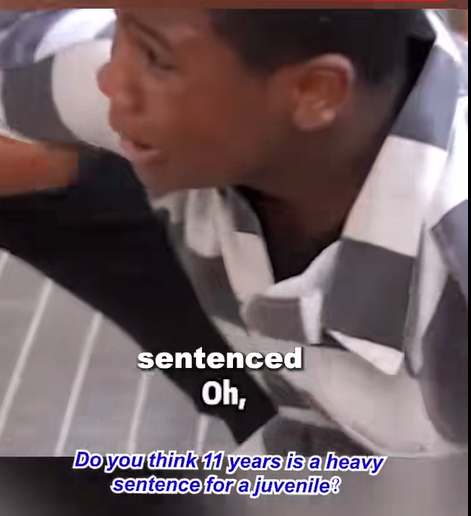
Visibly shaken and emotional, the young boy broke down upon hearing his sentence.
At just 13, facing over a decade behind bars, his tears symbolized both fear and regret.
Public Debate: Justice or Injustice? 🤔
This case sparked widespread discussion:
- Is 11 years too harsh for a juvenile?
- Should rehabilitation take precedence over punishment for minors?
- Or is such a sentence necessary to reflect the seriousness of the crime and protect society?
Broader Implications 📌
The case highlights the ongoing tension in juvenile justice systems worldwide: balancing accountability with the understanding that children can change and grow.
It raises an important societal question—how should we punish young offenders while still giving them a chance at redemption?
The 13-year-old’s 11-year sentence remains a deeply emotional and controversial story. For some, it represents justice for a grave act.
For others, it is a stark reminder of the need for compassion and reform in how we treat children in the justice system.