
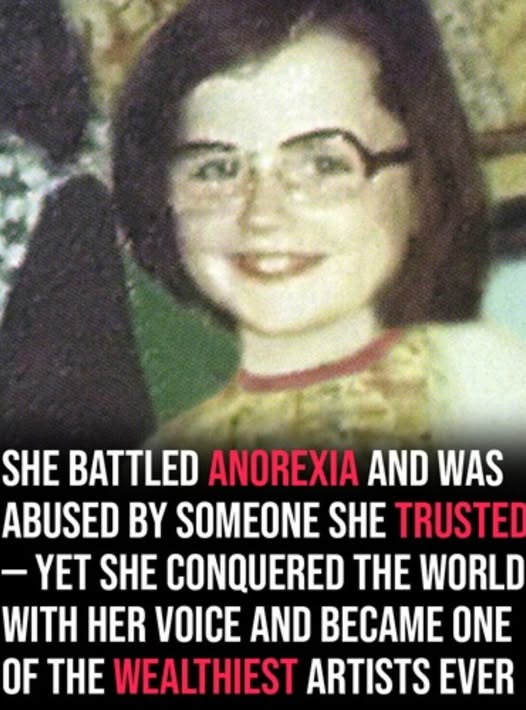

Dolores O’Riordan’s voice was unmistakable—haunting, powerful, and instantly recognizable. It carried the soul of Ireland far beyond its borders and became the defining sound of a generation. Behind the ethereal melodies and raw emotion, however, was a life marked by hardship, resilience, and an unrelenting struggle with deeply personal demons.
Born on September 6, 1971, in Ballybricken, County Limerick, Dolores would rise from a quiet rural upbringing to become one of the most iconic female vocalists in rock history. Her journey was extraordinary, not only for its artistic success, but for the honesty and vulnerability that shaped both her music and her legacy.
Early life: Growing up in rural Ireland
Dolores was the youngest of nine children in a devout Roman Catholic family. Her mother, Eileen, worked as a school caterer, while her father, Terence, had been a farm laborer until a serious motorbike accident in 1968 left him with lasting brain damage. Life was modest, disciplined, and shaped by faith.
She was named after the Lady of the Seven Dolours, reflecting the family’s deep religious roots. Her childhood unfolded in the quiet isolation of rural Ireland, surrounded by folklore, nature, and a sense of mystery that would later echo through her music.
Dolores once described her early years as “sheltered, pure, and trippy in a childlike way.” She spent hours talking to animals, confiding in her dog—whom she considered her personal therapist—and immersing herself in imagination. Music emerged almost instinctively. Reports suggest she was singing before she could speak, and by the age of five, her talent was so evident that her school principal had her stand on a desk to perform for older students.
She began with traditional Irish songs and learned the tin whistle at school, laying the foundation for the Celtic inflections that would later define her sound.
When Dolores was seven, her family home was destroyed by a fire. The local community rallied to help rebuild it, an act of solidarity that left a lasting impression on her and instilled a lifelong sense of resilience and connection to others.
Adolescence and a strict upbringing
Dolores’ teenage years were shaped by discipline and structure. Her days revolved around piano lessons, schoolwork, and church, leaving little room for rebellion or carefree adolescence. Yet beneath that routine was a spirited, unconventional personality beginning to emerge.
Friends remembered her as energetic, wild, and deeply kind—a blend of tenderness and intensity that would later become her trademark on stage. She openly struggled with traditional gender expectations, once admitting she was “anti anything that was girlie” until her late teens.
Encouraged to consider religious life or a career in music education, and even advised by a priest to move abroad, Dolores ultimately chose her own path. At just 18, she left home determined to sing professionally. The years that followed were marked by poverty and hunger, but also by independence and self-discovery. Those hardships strengthened her resolve and shaped her emotional depth as an artist.
The rise of The Cranberries
In 1990, a local Limerick band called The Cranberry Saw Us was searching for a new lead singer. Dolores auditioned with original songs, and the reaction was immediate. Band members were stunned by the power and uniqueness of her voice. Soon after, the group renamed themselves The Cranberries.
Initially shy on stage, Dolores sometimes performed with her back to the audience. Yet her haunting vocal style, emotional delivery, and unmistakable Irish accent quickly captivated listeners.
The band’s debut album, Everybody Else Is Doing It, So Why Can’t We? released in 1993, launched them into international fame. Songs like “Linger” and “Dreams” became anthems of vulnerability and longing. Their second album, No Need to Argue in 1994, cemented their global status, led by the explosive and politically charged “Zombie.”
That song marked a turning point, showcasing Dolores’ willingness to confront social and political realities through music. She fiercely defended her artistic vision, refusing to compromise even when pressured to pursue safer commercial options.
Fame, family, and motherhood
In 1994, Dolores married Don Burton, a tour manager, and later moved to Canada. The couple had three children together, and motherhood became a profound source of grounding and healing for her. She often spoke of her children as central to her emotional survival.
Yet beneath the surface, she carried deep trauma. Dolores revealed that she had been sexually abused for several years beginning at the age of eight by someone she trusted. The impact of that abuse followed her into adulthood, shaping her struggles with mental health and her fears as a mother.
Her openness about this pain was courageous. By speaking publicly, she offered validation and solidarity to survivors around the world, transforming personal suffering into shared understanding.
Mental health struggles
The pressures of fame intensified Dolores’ inner battles. She struggled with depression, anxiety, eating disorders, and suicidal thoughts. Exhaustion from relentless touring took a toll, forcing cancellations and medical intervention.
Later diagnosed with bipolar disorder, she spoke openly about her condition and admitted to overdose attempts in 2013, while emphasizing her determination to live for her children. Alcohol became another coping mechanism, something she acknowledged with painful honesty.
Her transparency resonated deeply with fans, exposing the fragile intersection between creative brilliance and personal vulnerability.
Later years and enduring artistry
After The Cranberries initially disbanded in 2003, Dolores released solo albums that, while less commercially successful, demonstrated her unwavering creative drive. When the band reunited in 2009, they released Roses in 2012, widely praised as a powerful return.
Throughout her career, Dolores remained authentic and uncompromising. Her songwriting continued to explore personal pain, political conflict, and emotional truth, maintaining a deep connection with audiences worldwide.
Tragic passing
On January 15, 2018, Dolores O’Riordan was found unresponsive in a London hotel room and pronounced dead at the age of 46. An inquest later ruled her death an accidental drowning, with alcohol intoxication as a contributing factor.
In her final hours, she left messages filled with warmth, music, and love for her children—reminders that her connection to life and art endured until the very end.
Legacy and cultural impact

Dolores O’Riordan’s legacy is immense. Her voice—blending Celtic roots with raw emotional force—remains instantly recognizable. Songs like “Linger,” “Dreams,” and “Zombie” continue to resonate across generations, shaping alternative rock and influencing countless artists.
Beyond music, her courage in addressing trauma, mental illness, and motherhood reshaped conversations around vulnerability and strength. She showed that resilience does not mean the absence of pain, but the willingness to live and create despite it.
Final thoughts
Dolores O’Riordan’s life was a tapestry of brilliance, struggle, and fierce independence. From rural Ireland to global superstardom, she remained deeply connected to her roots, her truth, and her art.
Though her life ended tragically, her voice, honesty, and spirit endure. She is remembered not only as an extraordinary singer, but as a courageous human being whose music continues to offer solace, strength, and inspiration.
Her voice transcended time—and it always will.