
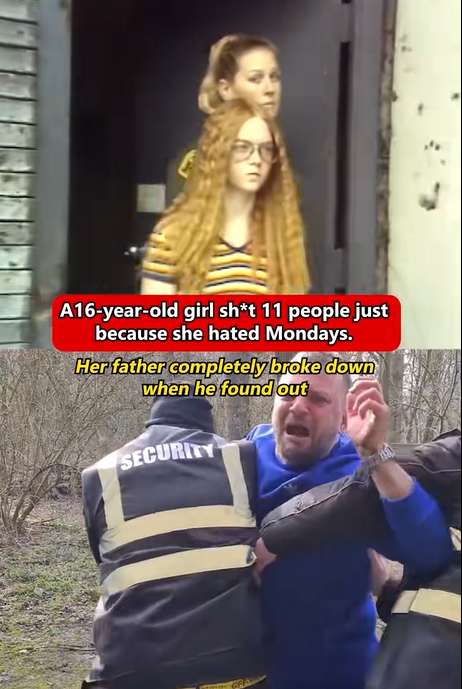
In a quiet neighborhood, what began as a normal school day turned into a nightmare. A 16-year-old girl unexpectedly opened fire on a nearby elementary school, injuring and killing several people — all because, in her own words, she “hated Mondays.”
Witnesses recall hearing loud gunshots breaking the morning calm. Teachers and children took cover as chaos unfolded just outside the school gates. The motive stunned the world: sheer dislike for Mondays.
The Girl Behind the Tragedy
The teenager appeared quiet and intelligent to most who knew her. Yet beneath her calm exterior lay deep emotional struggles and isolation.
She lived alone with her father, who had recently given her a rifle as a gift — unaware of the devastation that would follow.
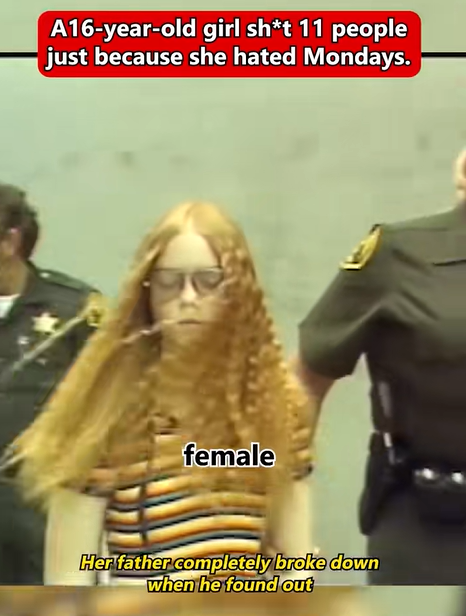
When confronted, she showed little remorse, her expression cold and detached. Her statement to police — “I just don’t like Mondays” — became infamous, echoing through decades as one of the most chilling explanations for an unprovoked act of violence.
The Father’s Heartbreak
Her father completely broke down when he discovered what his daughter had done. He had never imagined that his gift — meant to bond them — would become a weapon of tragedy.
His grief was unbearable as he faced the reality that his child had caused so much pain and loss.
Aftermath and Reflection
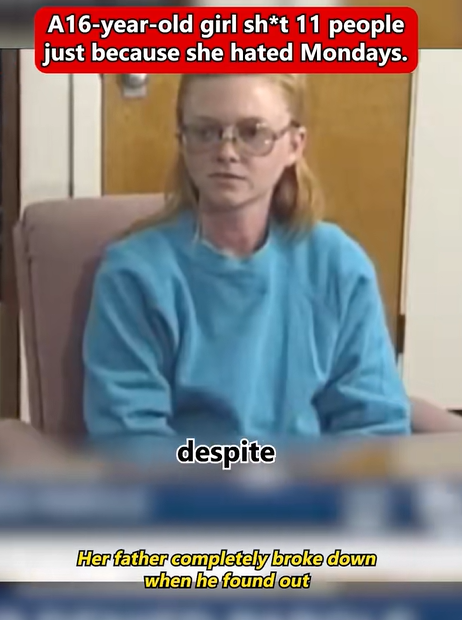
The attack left deep scars on the community. Survivors struggled to comprehend the senselessness of the event.
The story sparked national debates about youth violence, mental health, and firearm responsibility — discussions that remain relevant today.
Decades later, the girl’s actions are still studied as a haunting reminder of how untreated emotional turmoil and access to weapons can turn ordinary lives into devastating headlines.
A Legacy of Warning
The phrase “I don’t like Mondays” became a symbol of senseless violence and emotional detachment. It reminds us how vital it is to listen, to notice warning signs, and to address mental health before tragedy strikes again.